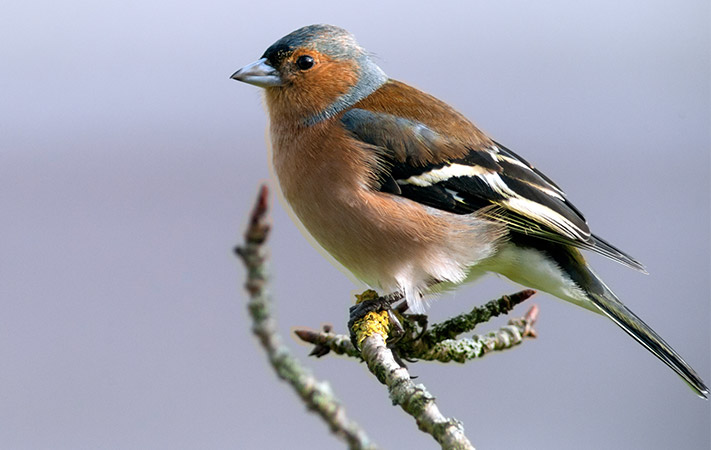


The dawn chorus is so much later in winter, but step outside into the garden and you’ll soon be rewarded with the beautiful sound of birdsong. Birds sing to attract a mate, though it’s usually the male of the species that literally sings its heart out. Some birds sing to mark their territory and also to welcome in the new day. In fact if you know your bird song you can actually identify a bird species by the song that it sings. There is even an app or two that helps you do that, though the jury is still out whether they are really accurate. And actually, it’s much more fun learning to identify the call of a bird and a species by sight. Because of course there is huge variation of bird song, even within a species, did you know that Chaffinches have different accents depending on where they live?
But rather than lose sight, OK hearing, of the beauty of the birdsong, it is actually far more therapeutic to enjoy the orchestral performance rather than try to pick out the birds involved. Instead wait until your resident robin is singing for its supper in your face so that you can tally the tune with the actual bird.
Here are five garden birds that you should see, hear and find in your garden with links to listen to their incredible song. (Courtesy of Xeno-Canto a website that shares the sound of wildlife).
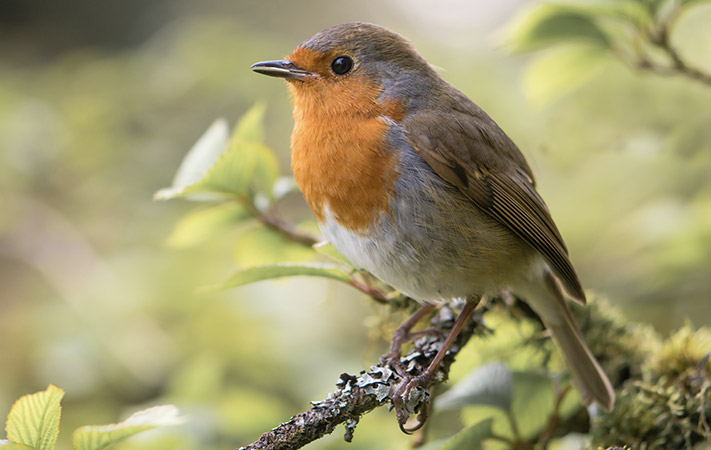
Robin (Erithacus rubecula)
You’ve probably got a robin friend that follows you around the garden. These brave little birds are quick to hop in when you are planting and weeding in the garden. It’s a very territorial species with the males chasing off intruders to protect their patch. Their melodic song is a highlight in the depths of winter. Up close it actually sounds like they are talking to you, reminding you that they are there and literally singing for their supper. Robins are ground feeders looking for insects and fruit.
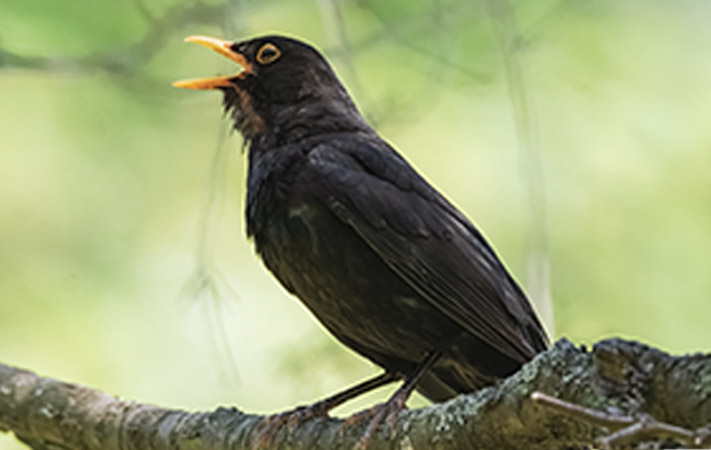
Blackbird (Turdus merula)
The familiar blackbird has a song so melodic and chatty our gardens would be a totally different place without it. It’s almost a security blanket that envelops our garden world with its all is well safety message. Listen out for the elevated alarm call that these birds make to warn of predators and other dangers.
These brave little birds will nest in our hedges rustle in the undergrowth searching for food and raise their chicks in the safety of our gardens. They are a ground feeding species that prefer a low feeding station dressed with suet rich food, tasty mealworms and softened fruit.
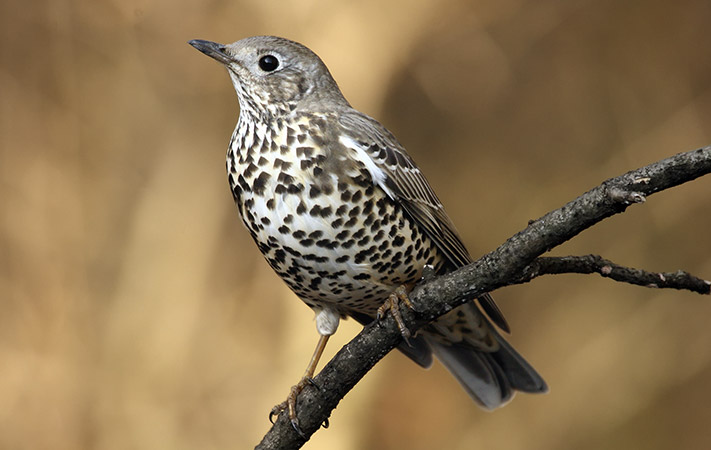
Song thrush (Turdus philomelos)
The sight of the spotty chested song thrush is a true blessing for the gardener. These garden beauties feast on snails, bashing them onto rocks to get to the protein rich mollusc inside. It’s a clear reminder that everything has its place in the delicate balance of nature. But, not only is the song thrush a brilliant predator of garden snails, but it also has a magical song. Its beautiful clear call is repeating, rising and falling with a friendly chirp. The song thrush is in severe decline. The best way to support this species is to limit your use of snail control and other pesticides and allow the natural balance to restore in your garden. Remember, everything is a meal for something.
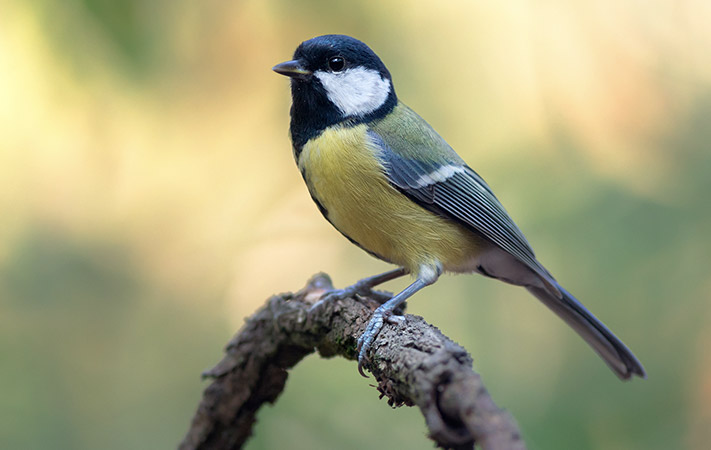
Great tit (Parus major)
Listen out for the uplifting chirpy chitter chatter of the great tit in mid-winter until it is nesting in spring and far too busy to sing. The great tit starts calling for a mate in and around our gardens and surrounding woodland in January, with its softened trilling and cheerful tunes heralding the arrival of spring. It’s a smart looking bird with bright yellow and black markings and white cheek feathers.
Chaffinch (Fringilla coelebs)
Chaffinches are seed eating birds with nut cracking beaks and a common sight under trees or searching under hedges and through the woodland. Listen out for their friendly high pitch chatter in spring when they become more active. Sometimes they are in a large posse of birds singing their hearts out atop your garden trees. The male has a peachy pink breast and a smart jacket of black and white feathers.